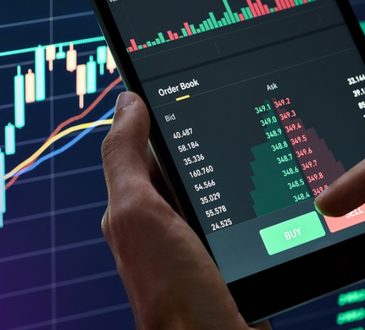
Most trading problems do not start inside the trade. They start before the day even begins. A rushed morning, unclear plans, or emotional carryover from the previous session quietly shape decisions. By the time price starts moving, the mind is already tired.
When traders search for best day trading strategies, they often skip the boring part. Routine. Structure. Daily habits. Those things do not sound exciting, but they decide how clean execution feels when pressure shows up. A solid routine does not make trading easy. It makes it manageable. This article focuses on building a daily structure that supports calm decisions and steady execution without turning trading into a rigid chore.
Why a daily routine matters more than motivation
- Motivation changes from day to day
- Routine stays stable even when mood shifts
- A clear structure reduces decision fatigue
- Familiar actions calm the nervous system
- Less thinking before trading improves focus
- Routine protects discipline during emotional moments
Starting the day with clear mental boundaries
- Waking up late increases rushed thinking
- Starting early allows the mind to settle
- Avoiding charts immediately reduces impulsive bias
- Simple preparation lowers emotional pressure
- Knowing your limits before trading matters
- Mental boundaries prevent overexposure
Preparing without trying to predict outcomes
- Preparation is about awareness not prediction
- Marking key levels provides context
- Checking volatility sets realistic expectations
- Reviewing recent behavior helps orientation
- Over preparation creates confusion
- Light preparation supports flexibility
Defining when you will trade and when you will stop
- Open ended sessions increase overtrading
- Clear start times create focus
- Clear end times protect energy
- Stopping rules prevent emotional spirals
- Knowing when to stop reduces regret
- Ending early is sometimes the right decision
Creating rules that feel natural not forced
- Rules should match personality
- Overly strict rules increase frustration
- Simple rules are easier to follow
- Clear risk limits reduce fear
- Natural rules improve consistency
- Comfort improves execution quality
Managing energy during the trading session
- Long screen time drains focus
- Short breaks reset attention
- Looking away reduces emotional buildup
- Hydration and posture matter
- Fatigue leads to sloppy decisions
- Energy management protects judgment
Handling wins and losses inside the routine
- Wins can create overconfidence
- Losses can trigger revenge behavior
- Routine keeps emotions contained
- Same process after every outcome
- Reviewing calmly reduces emotional carryover
- Consistency matters more than outcome
Avoiding mid session changes driven by emotion
- Emotional changes feel urgent
- Urgency often leads to mistakes
- Sticking to the plan protects clarity
- Adjustments should be intentional
- Pausing prevents impulsive decisions
- Emotional awareness keeps balance
Reviewing the day without self criticism
- Review is for learning not judging
- Focus on behavior not results
- Identify one small improvement
- Avoid replaying mistakes emotionally
- Keep notes simple and honest
- Review ends the day cleanly
Keeping routine flexible during different market conditions
- Some days move fast
- Some days feel slow
- Routine adapts without breaking
- Position size adjusts with conditions
- Expectations shift naturally
- Flexibility prevents frustration
How routine supports long term consistency
- Repetition builds trust in actions
- Trust reduces emotional swings
- Calm execution improves accuracy
- Confidence grows quietly
- Learning becomes easier
- Stability supports improvement
Linking routine with strategic thinking
- Strategy works better inside structure
- Routine supports clean execution
- Emotional control improves timing
- Fewer mistakes compound positively
- Over time traders realize best day trading strategies only work when supported by daily structure and disciplined habits
A daily routine does not guarantee success. It does something more important. It protects decision quality when pressure shows up. It creates a familiar environment where thinking stays clear even when results fluctuate.
Trading becomes less chaotic when each day follows a steady structure. Wins feel controlled. Losses feel manageable. Over time, that stability builds confidence that does not depend on single outcomes. A strong routine quietly supports progress, one organized trading day at a time.