An online demat account has become a core requirement for participating in the Stock Market and managing investments efficiently. With the rise of digital platforms, integration between demat accounts and trading apps has simplified how investors buy, sell, and monitor assets. Whether you are dealing with equities or investing in Mutual Funds, seamless connectivity between these systems ensures faster execution and better control.
This article explains how an online demat account integrates with trading apps, the benefits of this integration, and what investors should consider before choosing a platform.
What Is an Online Demat Account?
An online demat account is a digital account that stores financial securities such as shares, bonds, ETFs, and mutual fund units in electronic form. It eliminates the need for physical certificates and allows secure storage and transfer of securities.
Key Functions
- Holds securities in digital format
- Tracks portfolio performance
- Enables quick transfer of assets
- Reduces risks associated with physical documents
An online demat account works alongside a trading account, which executes buy and sell orders in the Stock Market.
Role of Trading Apps in Investment Management
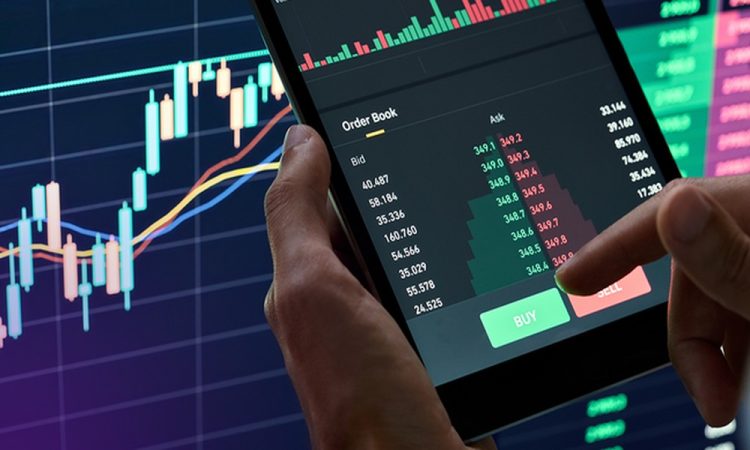
Trading apps act as an interface between the investor and the financial markets. They allow users to place orders, monitor price movements, and manage investments in real time.
Core Features of Trading Apps
- Live market tracking
- Order placement and execution
- Portfolio insights
- Access to research and analysis
- Integration with bank accounts and demat accounts
When connected to a demat account, these apps provide a complete ecosystem for managing both stocks and Mutual Funds.
How Online Demat Account Integration Works
Integration between a demat account and a trading app ensures that transactions flow smoothly from execution to settlement.
Step-by-Step Process
- Account Setup
The user opens both a demat account and a trading account through an online process. - Linking Accounts
The demat account is linked to the trading app and the user’s bank account. - Placing Orders
Orders are placed through the trading app. - Execution and Settlement
Once the trade is executed, securities are credited or debited from the demat account. - Portfolio Update
The updated holdings reflect instantly in the app.
Benefits of Integration
1. Simplified Investment Process
Integration removes the need for manual coordination between different platforms. Investors can handle everything in one place.
2. Faster Transactions
Buy and sell orders are executed quickly, and settlements are reflected without delay.
3. Real-Time Portfolio Tracking
Users can monitor their holdings, including stocks and Mutual Funds, in real time.
4. Improved Accuracy
Automated processes reduce errors that may occur during manual entries.
5. Better Decision-Making
Access to real-time data helps investors make informed decisions in the Stock Market.
Features to Look for in Integration
Security Measures
- Two-factor authentication
- Encryption protocols
- Secure login systems
User Interface
- Easy navigation
- Clear portfolio display
- Simple order placement
Performance Tracking
- Profit and loss statements
- Asset allocation insights
- Historical performance data
Multi-Asset Support
The ability to manage stocks, ETFs, and Mutual Funds in one place adds convenience.
Challenges in Integration
While integration offers multiple advantages, there are certain challenges to consider:
Technical Issues
Occasional downtime or app glitches can affect trading activity.
Learning Curve
New users may need time to understand how integrated systems function.
Data Synchronization Delays
In rare cases, there may be slight delays in reflecting transactions.
Best Practices for Investors
Keep Account Details Updated
Ensure that personal and banking details are accurate to avoid transaction issues.
Monitor Activity Regularly
Check portfolio updates and transaction history frequently.
Use Secure Networks
Avoid accessing trading apps on public networks to maintain account safety.
Understand Fees
Be aware of transaction charges, maintenance fees, and other costs involved.
Future of Demat and Trading App Integration
The integration between demat accounts and trading platforms is evolving with advancements in technology. Features such as AI-based insights, automated portfolio suggestions, and improved user experience are expected to shape the future.
With increasing participation in the Stock Market and growing interest in Mutual Funds, digital integration will continue to play a key role in investment management.
Conclusion
Online demat account integration with trading apps has simplified the way individuals invest and manage their portfolios. From faster transactions to real-time tracking, this system supports efficient participation in the Stock Market and enables smooth handling of Mutual Funds investments.
For investors, understanding how this integration works can improve decision-making and reduce operational challenges. Choosing the right platform with strong security and user-friendly features is essential for a reliable investment experience.
FAQs
1. What is the difference between a demat account and a trading account?
A demat account stores securities in digital form, while a trading account is used to buy and sell those securities.
2. Can I invest in mutual funds through a demat account?
Yes, mutual funds can be held in a demat account and managed through integrated trading apps.
3. Is it necessary to link a bank account with a demat account?
Yes, a bank account is required for fund transfers during buying and selling transactions.
4. Are online demat accounts safe?
Online demat accounts are generally secure if proper authentication and security measures are followed.
5. How long does it take to open an online demat account?
The process is usually completed within a few hours to a couple of days, depending on verification requirements.